


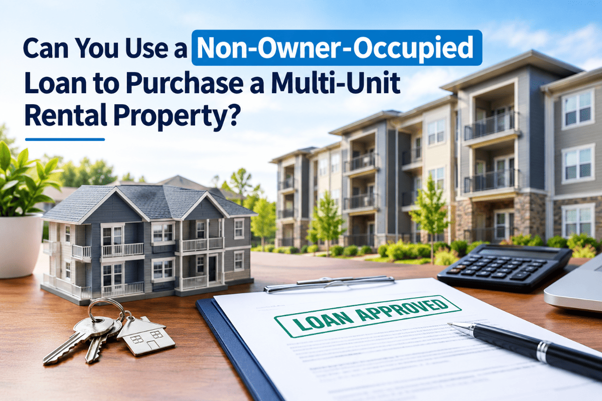
Yes, you can, and plenty of smart investors do it every year. A duplex, triplex, or fourplex gives you more doors and more rent under one roof. At Brazington Mortgage LLC, we are a mortgage broker focused on private money loans. We connect investors with private money lenders who understand rental deals. Non-owner-occupied loans fit multi-unit purchases well, and the right match moves fast. Let us walk you through how it works.
What Is a Non-Owner-Occupied Loan?
A non-owner-occupied loan funds a property you plan to rent out, not live in. You act as the landlord. Tenants pay rent, and the rent helps cover your payment. Lenders view these deals as business deals, so they look at the property and your plan with care.
Here is what sets this loan apart:
- Purpose: The property earns income. It is not your home.
- Focus: Lenders study the rent, the numbers, and your plan.
- Speed: Private money lenders often close in days or weeks, not months.
- Fit: Many loan programs match different goals, such as buy-and-hold or fix-and-flip.
Because we work with private money lenders, we help you find the one that suits your deal. Every lender has its own style. Our job is to match you with the best fit.
Read More :- How Private Money Loans Work for First-Time Real Estate Investors
Can You Buy a Multi-Unit Property With This Loan?
Absolutely. Multi-unit homes are a top pick for rental investors. With two to four units, you spread your risk. If one unit sits empty, the other units keep the cash flowing. That steady income gives you peace of mind.
Private money lenders welcome these deals. They like the extra rent, and they like a clear plan. When you bring a solid plan, you open the door to financing for non-owner-occupied rental properties that grow with your goals.
Which Property Types Work?
Lenders back a wide range of rental homes. Here are the most common picks:
- Duplexes, triplexes, and fourplexes: These are the classic starter deals for new landlords.
- Small apartment buildings: Five or more units suit investors ready to scale up.
- Single-family rentals: These work well if you want to build a portfolio one house at a time.
- Condos and townhomes: These give you a lower-cost way into the market.
- Mixed-use buildings: A shop below and a home above can double your income streams.
Each type has its own perks. A fourplex, for instance, brings four rent checks from one roof and one lot. That means less upkeep per unit and more profit per dollar.
How Are These Loans Different From Owner-Occupied Loans?
An owner-occupied loan helps you buy a home to live in. A non-owner-occupied loan helps you buy a home to rent. Lenders view the two differently, so the rules change a bit.
- Down payment: Investment deals call for a larger down payment, since the lender wants you to have real skin in the game.
- Rates: Rates run a little higher, which reflects the business use of the property.
- Review: Lenders weigh the rental income and the property’s value more than your pay stub alone.
- Flexibility: Private money loans bend to fit your deal, so you get creative terms.
The upside is clear. With non-owner-occupied mortgage loans, you build wealth through rent, loan payoff, and rising values. In short, you put your money to work while tenants help pay the bills.
Who Can Qualify for Financing?
Good news: a wide range of buyers qualify. New investors, seasoned landlords, and business owners all find a path. Private money lenders care most about the deal and your plan. They still look at you, but they weigh the property heavily.
Here is what helps your case:
- A solid down payment: Cash in the deal shows you are serious.
- A clear plan: Share how you will rent, fix up, or hold the property.
- Good credit: Strong credit opens up better terms, though other paths exist.
- Reserves: Extra cash in the bank shows you can handle surprises.
- Experience: A track record helps, but first-timers still win approval with a strong plan.
At Brazington Mortgage LLC, we sit down with you, review your goals, and point you to lenders who fit your profile. You do not have to guess. We do the legwork.
What Do Lenders Look at on an Investment Property Loan?
Lenders want to feel sure about the deal. So they study a few key items. Knowing them up front gives you an edge.
The Main Review Points
- Property value: The lender checks what the building is worth now and after any repairs.
- Rental income: Current leases or market rents show how much cash the property brings in.
- Loan-to-value ratio: This compares your loan to the property’s value. A lower ratio often earns better terms.
- Your credit and finances: Lenders look at your credit, assets, and debts.
- Your exit plan: Whether you hold or sell later, a clear plan builds trust.
When you line these up, your deal looks sharp. Strong numbers draw strong offers. That is why investment property financing works best when you prepare ahead of time.
How Can You Get Ready to Apply?
A little prep goes a long way. Think of it like packing for a trip. When your bags are ready, you get out the door fast. Follow these steps:
- Check your credit: Pull your report and fix any errors early.
- Save your down payment: Set aside funds for the purchase, closing costs, and reserves.
- Gather your papers: Collect bank statements, tax returns, and ID.
- Run the numbers: Estimate rent, repairs, taxes, insurance, and upkeep.
- Pick your property: Choose a deal with solid rent and room to grow.
- Call your broker: Reach out to us before you make an offer.
That last step saves you time. When we know your plan early, we line up the right lender right away. You then make offers with confidence, and sellers take you seriously.
Why Work With a Private Money Broker?
Banks follow strict boxes. Private money lenders think in a more open way. They look at the whole deal, and they move quickly. Still, each lender has its own taste, and finding the right one takes know-how.
That is where we shine. We know the lenders, we know their needs, and we know what makes a deal pop. With us, you get:
- Access: A strong network of private money lenders ready to fund.
- Guidance: Plain talk and clear steps from start to finish.
- Speed: Fast matches and quick closings so you beat the competition.
- Fit: Terms built around your goals, not a one-size-fits-all box.
Whether you eye a duplex or a larger building, our team helps you land loans for real estate investment properties with ease.
Ready to Grow Your Rental Portfolio?
A multi-unit property can change your financial future, and the right loan gets you there. At Brazington Mortgage LLC, we make the path clear and the process smooth. We connect you with private money lenders who back real estate investors like you. Whether you buy your first duplex or your tenth building, we are in your corner.
Reach out today for a free, no-pressure chat. Tell us your goals, and we will match you with the right lender. Call us or fill out our contact form now. Let’s turn your next property into your next big win.
Frequently Asked Questions
Q1: What is a non-owner-occupied real estate loan?
It is a loan for a property you do not plan to live in. You buy it to rent out or resell. Lenders study the property’s income and your plan before they approve funding.
Q2: Who can qualify for financing on a non-owner-occupied property?
New and seasoned investors both qualify. Lenders look at your credit, down payment, reserves, and plan. Private money lenders weigh the deal heavily, so a strong property helps your case a great deal.
Q3: How do non-owner-occupied loans differ from owner-occupied loans?
Owner-occupied loans fund your own home. Non-owner-occupied loans fund rentals, so lenders ask for a larger down payment and review rental income. Private money options also bring faster closings and flexible terms.
Q4: What property types can be financed with a non-owner-occupied loan?
Lenders finance duplexes, triplexes, fourplexes, single-family rentals, condos, townhomes, small apartment buildings, and mixed-use properties. Each type fits a different goal, so choose the one that matches your plan.
Q5: What factors do lenders consider when reviewing an investment property loan?
Lenders weigh property value, rental income, loan-to-value ratio, your credit, your assets, and your exit plan. Strong numbers in each area lead to better terms and a smoother approval.
Q6: How can investors prepare for a non-owner-occupied loan application?
Check your credit, save your down payment and reserves, and gather your documents. Next, run the numbers on rent and costs. Finally, call your broker early so we can match you with the right lender.