





Real estate investors chase growth, but growth needs capital. Equity locked inside a rental can feel like money sitting idle. Smart refinancing unlocks value and puts it back to work. With refinance rental investment property loans, investors gain control over cash flow, terms, and future deals without selling assets.
Brazington Mortgage focuses on private lending built for real estate investors. Programs support unique property types, shifting timelines, and deal-driven goals. Instead of rigid boxes, solutions align with how investors actually operate.

Refinancing is not just about lowering a rate. It is a strategic move. It reshapes how your investment performs over time.
Investors refinance for several reasons. First, cash flow matters. Adjusting loan terms can reduce monthly payments and improve margins. Second, equity access helps fund new deals or renovations. Third, replacing a short-term loan with a more stable structure creates breathing room.
Private lending plays a key role here. Unlike traditional routes, private programs look at asset value, rental income, and investor experience. This makes private money refinance loans a strong fit for investors scaling portfolios.
Choose a private money mortgage broker that offer longer terms. Brazington Mortgage, LLC offers monthly payments with three-, five-or ten-year balloon payments. You sell or refinance on your timeframe, not the lenders.
Private refinance options provide flexibility and speed. Investors do not need to jump through endless hoops. Instead, focus stays on property performance and exit strategy.
These advantages support investors working with single-family rentals, multifamily units, mixed-use buildings, land development or even commercial spaces. Brazington Mortgage structures loans around real scenarios, not cookie-cutter templates.

Different refinance structures serve different goals. Choosing the right one depends on your strategy, timeline, and risk tolerance.
This option adjusts your interest rate or loan term without pulling out equity. It works well for stabilizing a property after improvements or replacing high-cost debt.
Choose a private money mortgage broker that offer longer terms. Brazington Mortgage, LLC offers monthly payments with three-, five or ten-year balloon payments. You sell or refinance on your timeframe, not the lenders.
Equity becomes usable capital. Investors tap into property value and reinvest in new acquisitions or upgrades. Cash-out refinance investment property loans are popular among investors looking to grow without selling.
Short-term financing helps reposition a property. This works well for properties under renovation or lease-up phases. Once stabilized, investors can transition into long-term financing.
Choose a private money mortgage broker that offer longer terms. Brazington Mortgage, LLC offers monthly payments with three-, five or ten-year balloon payments. You sell or refinance on your timeframe, not the lenders.
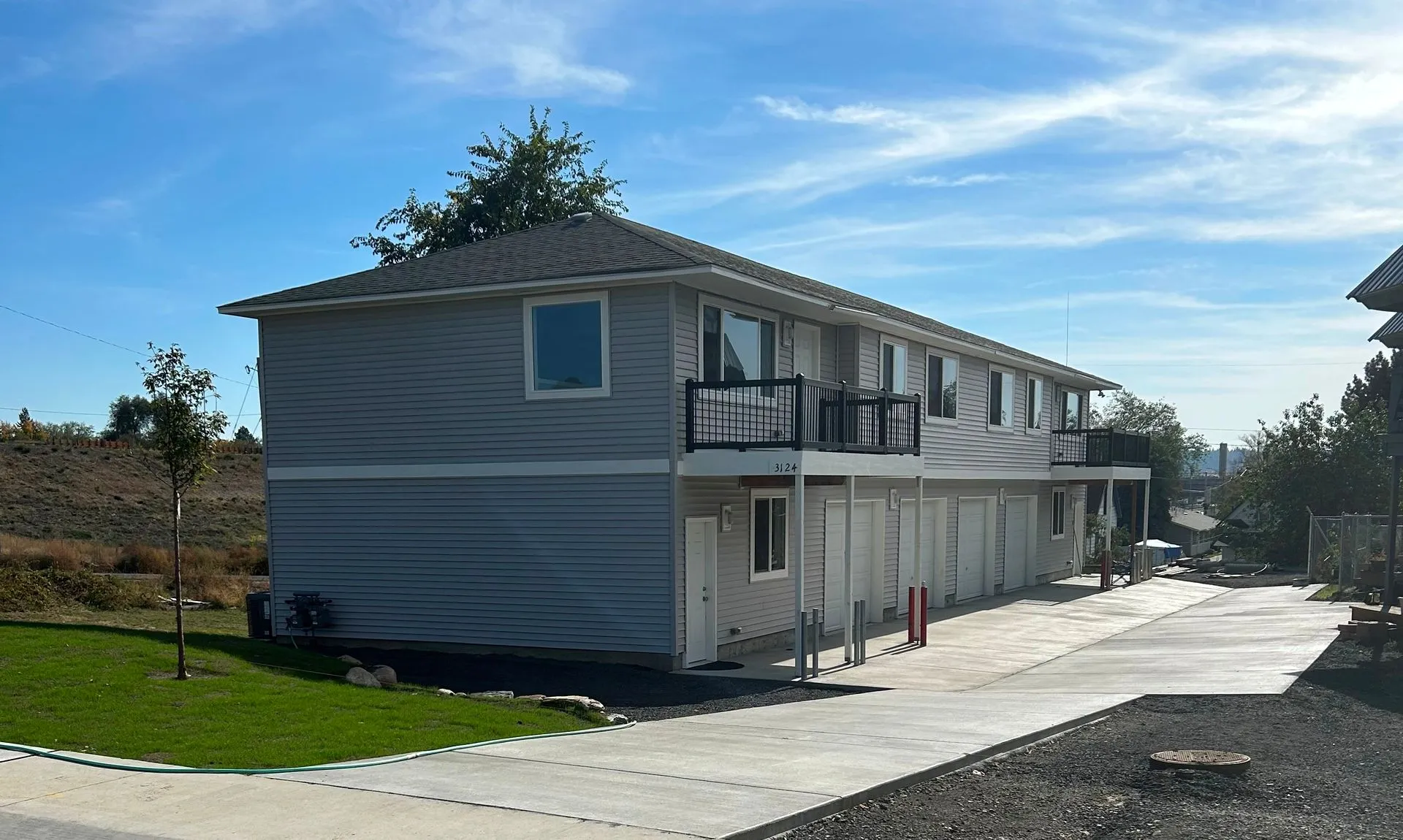
Brazington Mortgage focuses on private lending tailored to business-purpose deals. Programs cover a wide range of property types, including residential rentals, multifamily units, land development, and commercial properties.
Instead of rigid income verification, the focus shifts to property value and deal viability. This approach supports investors who may not fit standard lending models but still run profitable operations.
With business purpose refinance loans, borrowers use funds strictly for investment or commercial use. This ensures alignment with investor goals while maintaining compliance.
Below is a quick snapshot of what investors can expect when exploring refinance options through private lending:
| Feature | Details |
|---|---|
| Loan Type | Asset-based private refinance loans |
| Property Types | Single-family, multifamily, mixed-use, commercial, land only and land development |
| Loan Purpose | Refinance, cash-out, bridge |
| Approval Focus | Property value, rental income, investor experience |
| Timeline | Faster than traditional processes |
| Flexibility | Custom structures based on deal needs |
This structure allows investors to move quickly and stay competitive in tight markets.
Timing plays a major role in refinancing success. Investors need to evaluate market conditions, property performance, and future plans.
A good time to refinance may include:
Each scenario opens a window to improve returns. Investment property refinance loans become a tool for repositioning assets and scaling portfolios.

Refinancing is not a one-size move. Smart investors use it as part of a bigger plan. Some use hard money refinance loans to replace short-term financing after a flip turns into a rental. Others rely on real estate investor refinance loans to consolidate multiple properties into a cleaner structure.
Then there are investors who recycle capital. They pull equity from one deal and roll it into the next. This cycle fuels portfolio growth without constant asset sales.
Private lending focuses on practicality. Instead of strict income ratios, lenders review the property itself. Rental income, location, and condition matter more than traditional metrics.
This approach supports investors working with unconventional properties. Mixed-use buildings, value-add projects, and partially leased spaces all become viable.
With rental property refinance loans, investors gain access to funding aligned with real-world scenarios. This creates room to adapt, pivot, and grow.

Even with flexibility, certain factors still matter. Lenders evaluate risk and ensure the deal makes sense.
Expect focus on:
Preparation improves approval chances. Clear documentation and a solid plan go a long way.
Refinancing involves costs. These may include origination fees, appraisal fees, and closing expenses. While costs vary, the goal is to ensure the long-term benefit outweighs upfront expenses.
Investors should also review prepayment penalties from existing loans. Planning around these details avoids surprises and protects returns.

Brazington Mortgage stands out by aligning lending solutions with investor needs. The focus remains on flexibility, speed, and real estate expertise.
Programs support a wide range of property types and investment strategies. Instead of rigid structures, solutions adapt to each deal. This approach helps investors stay agile and competitive.
Choose a private money mortgage broker that offer longer terms. Brazington Mortgage, LLC offers monthly payments with three-, five or ten-year balloon payments. You sell or refinance on your timeframe, not the lenders.
Equity should not sit idle. It should work for you. Refinancing creates new opportunities, improves cash flow, and supports long-term growth.
Connect with Brazington Mortgage today to explore tailored refinance solutions built for investors. Take the next step and turn your rental property into a stronger financial engine.
Commercial mortgage refinancing replaces an existing loan with a new one, usually with better terms. Investors use it to adjust rates, extend terms, or access equity. The process involves property evaluation, underwriting, and closing, similar to the original loan but focused on current value.
The right time depends on property value, rental income, and market conditions. Investors look to refinance after increasing occupancy or completing upgrades. Lower rates and improved financial performance create strong opportunities to restructure debt and improve returns.
Rates vary based on property type, loan-to-value ratio, and borrower experience. Private lending rates may differ from traditional options, but they provide flexibility and faster access. Each deal receives a custom structure based on risk and overall investment strength.
Timelines depend on property complexity and documentation readiness. Private lending typically moves faster than traditional processes. Some refinance deals close within a few weeks, while more complex properties may take longer due to evaluation and underwriting requirements.
Yes, investors can access equity through cash-out refinancing. This allows funds to be used for new investments, renovations, or other business purposes. Approval depends on property value, loan structure, and overall financial strategy tied to the asset.

Give our team a call to discuss your mortgage lending needs: (509) 922-4560